

Specifiers rarely struggle to find a circular glass pendant light. The difficulty is specifying one that can be built exactly, mounted without site improvisation, and maintained without opening the ceiling after handover. The decisions that matter are made before a drawing is approved: glass selection, metalwork, suspension set-out, and how the lamp is reached. A fixture that looks simple in a render can carry decisions about weight, assembly, and access that are not visible from the floor.
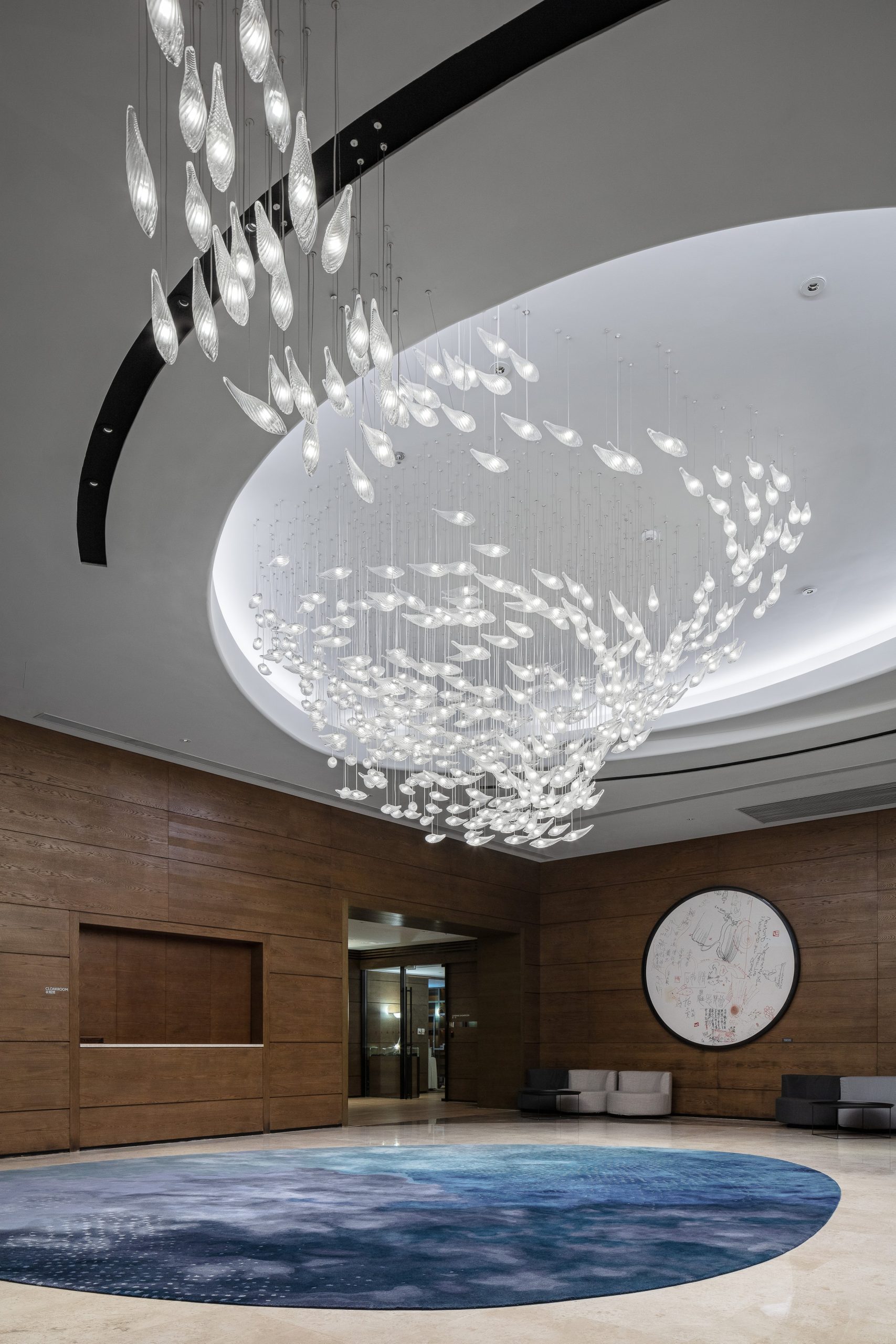
The Glass Body: Material Before Shape
The first critical choice in a circular glass pendant light specification is the glass itself. Hand-blown glass can hold slight variations in wall thickness and surface ripple; pressed or moulded glass can be more repeatable across a run. A deep circle in clear glass will expose the lamp and any internal wiring unless a diffusing layer or frosted finish is specified. Opal or sandblasted glass softens the source, but it also changes the visible brightness and the way surrounding surfaces read.
The metal collar that receives the glass should be addressed in the same drawing set. It sets the visual weight and determines whether the shade can be lifted vertically or dropped downward for relamping. On a circular glass pendant light, a collar that is too narrow can put point pressure on the glass rim; a wider machined ring spreads the load and helps the fixture survive transport and installation. The fixed ring should also be drawn with enough clearance for thermal movement, especially where the glass sits close to the lamp.
Suspension, Ceiling Load, and Setting Out
The ceiling structure often controls the specification more than the form does. A suspended circular glass fixture can be supported from a cast-in anchor, an existing junction box, or a structure above a suspended ceiling. The mounting method must be confirmed early, because it affects canopy size, rod length, and whether the fixture arrives as one assembly or in parts. If the ceiling void cannot take a concentrated load, the fixing arrangement may need to be reworked before the glass is made.
When multiple pendants are used in a row or a tight grid, the setting-out should be dimensioned from the shade centre, not from the canopy. This prevents a row from reading as slightly irregular once the glass shades are hung. It is the kind of tolerance decision that needs to be made on the reflected ceiling plan rather than on-site.
- Whether the pendant hangs on aircraft cable, a rigid rod, or a chain
- How many fixing points are available above the ceiling
- Whether the glass is accessible from below without removing the canopy
- How lateral movement, if any, is restrained
For a broader view of how different fixture forms are handled, the full product range is useful when drafting a fixture schedule.
Access, Lamps, and Maintenance After Handover
A circular glass pendant light is often specified for circulation spaces, reception desks, and private dining rooms in hotels. In those settings, maintenance happens on a schedule, not when a room is empty. The lamp and driver need to be reached without removing the glass unnecessarily. A bottom-threaded ring, a hinged glass holder, or a removable diffuser can make routine access straightforward; a fully sealed glass body can make it a maintenance event.
Specifiers should also ask how the glass is packed and handled. A circular form in thick glass is vulnerable at the rim. EPE foam and a wooden crate are standard practice for export, but the internal blocking must be cut to the actual shade radius, not a generic slot. This is often the difference between a fixture that arrives intact and one that arrives with edge damage. The same rim detail that looks sharp in a drawing can become the first point of failure if it is not protected.
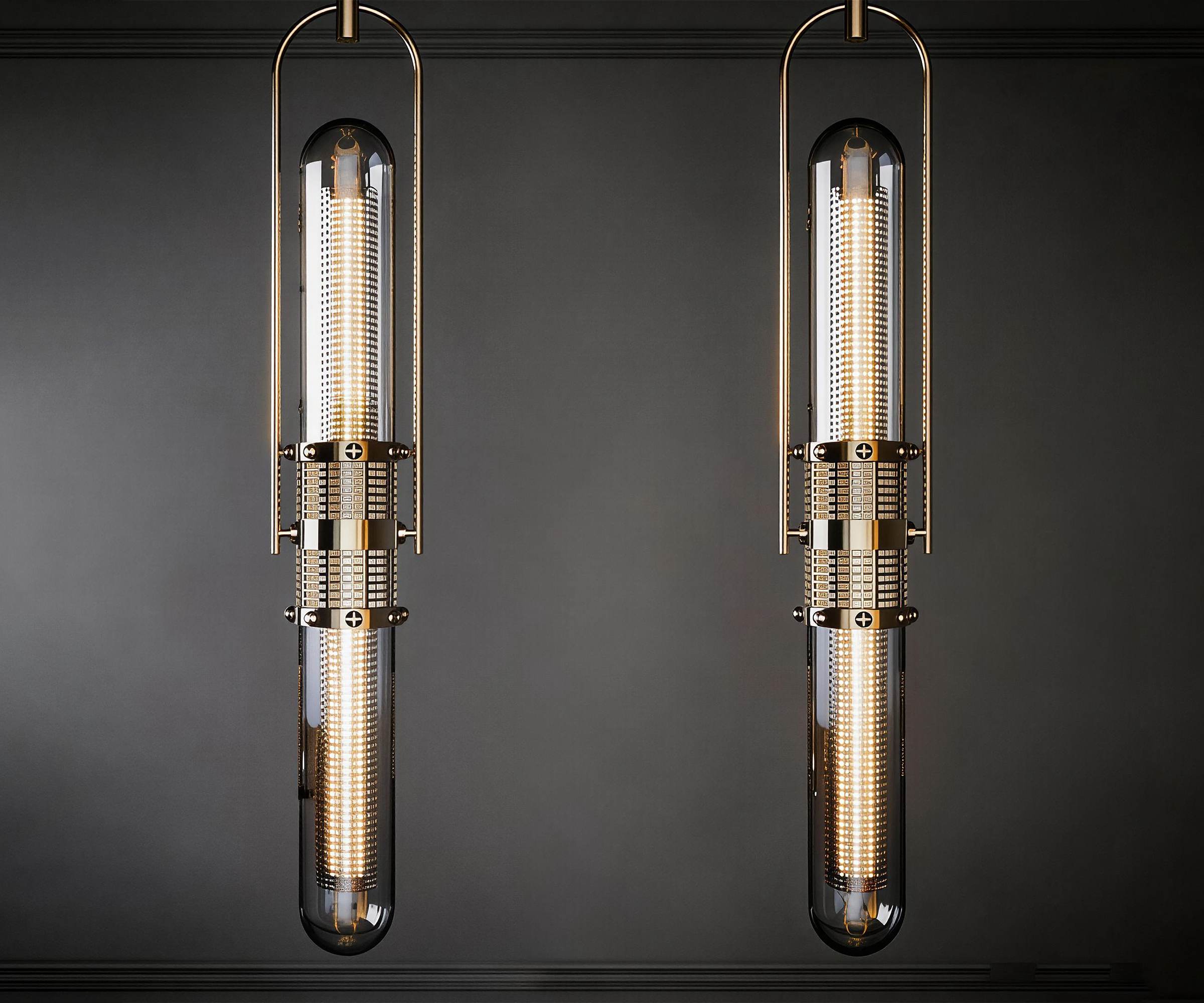
Made to Order
SHUCHUANG builds circular glass pendants as project-specific fixtures, not as catalogue items. The glass body, metalwork, suspension type, and finish are produced to the drawing set and confirmed with samples where needed. Our workshop in Zhongshan handles the metalwork in-house, which keeps the glass-to-metal junction under direct control. For drawings, sketches, or a quotation, contact our specification team.